Are We Loving Wildlife To Death?
The Ethics of Five More Minutes
Wildlife is wild precisely because it hasn’t agreed to our terms and conditions. It doesn’t care how many thousands of miles you’ve flown or how much money you’ve spent to get there.
Somewhere between loving wild animals and wanting desperately to see them, photograph them, and return home with evidence of having done so, enthusiasm can quietly become trespass.
How close is too close? It seems like a simple question. It isn't.
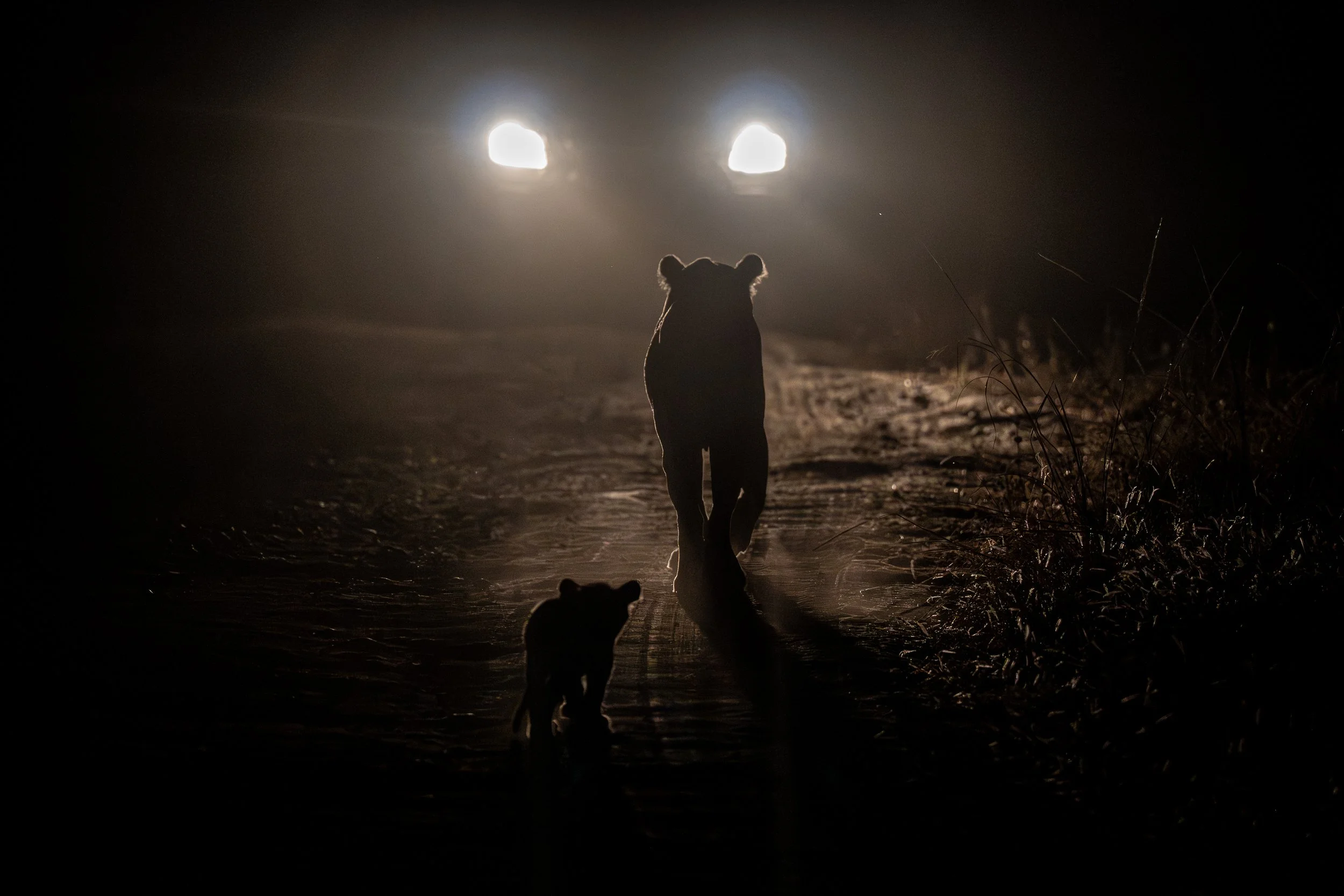
Animals in heavily visited reserves can become habituated to vehicles and continue doing whatever important animal business occupied them before we arrived. Until they don't.
The difficulty is that wildlife rarely fills out a customer satisfaction survey.
Instead, it tells us in ears and tails, posture and breathing, a meal abandoned, a direction reconsidered. Sometimes the message is obvious. Sometimes it requires knowing an animal well enough to recognize that it’s behaving almost normally. And that isn't normal behavior at all.
But ethics, inconveniently, must share the landscape with economics.
Wildlife tourism can be a considerable ally of conservation. Visitors pay park fees. They stay in lodges, employ guides, hire drivers, support businesses, and create an economic argument for keeping wildlife alive and wild places intact.
Tourism can make a living elephant worth more than a dead one and intact habitat worth more than another use of the land. But tourism also arrives in Land Cruisers. And those Land Cruisers contain people who quite reasonably want to see something.
Guides occupy the uncomfortable territory between those two realities. A good guide wants to protect the animals and give them space. A paying guest may have three days in the bush and an ambitious checklist. If it isn't too much trouble, can we see a kill before breakfast?
I’m guilty of it too. Wildlife photography contains an almost inexhaustible supply of rationalizations for getting a little closer, repositioning, or staying five minutes longer. I’ll happily wait for hours to get a great shot. But should I? Lately, I find myself asking a more uncomfortable question: Have I had enough of this animal's time?
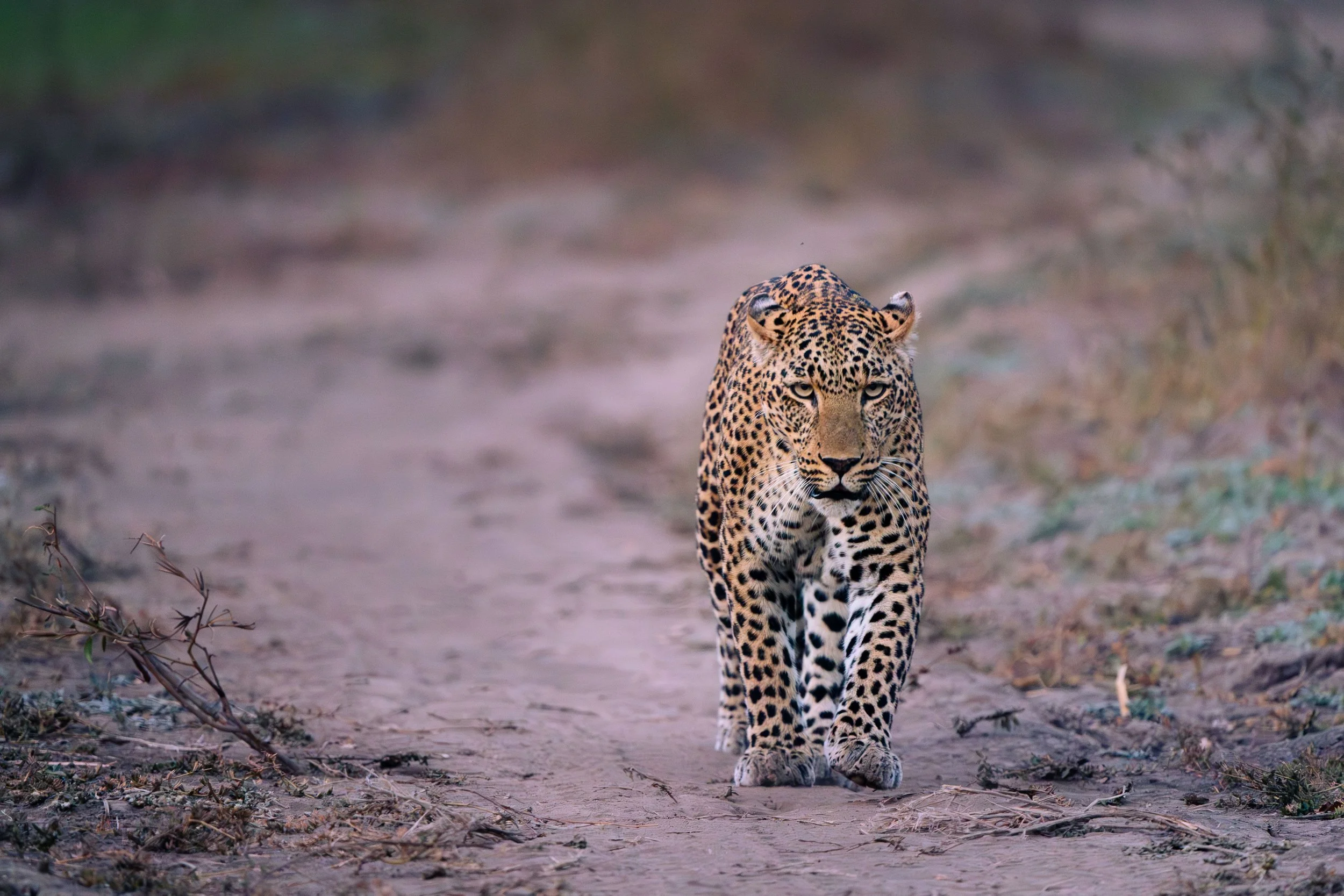
There are obvious situations. An animal is distressed. A hunt is being disrupted. Behavior changes because of human presence. A vehicle blocks an animal's intended route. Those aren't difficult ethical puzzles.
It's the gray territory that's harder. What if the animal seems fine? What if a guide says the distance is acceptable? What if you've waited two hours and still don't have the photograph? This is where wildlife ethics asks us to relinquish something voluntarily, often at precisely the moment we’re least likely to want to.
There’s another complication. We’ve become accustomed to seeing the highlight reel. Open Instagram and the Serengeti appears to have an improbable surplus of animals doing interesting things. Lions hunt. Cheetahs sprint. Elephants walk obligingly through sunsets. Wildebeest thunder into rivers. Everything happens in excellent light.
What social media rarely shows is Tuesday afternoon. The lion has been asleep for six hours. The leopard is somewhere deep inside a bush. Nothing is happening. Except, of course, an enormous amount is happening. The whole ecosystem is existing exactly as it should. It simply isn't the thing we were hoping to see.
Consider the Great Migration. Every year, enormous numbers of wildebeest and other herbivores move through the Serengeti-Mara ecosystem following water and grazing. The Mara River crossings have become the celebrity portion of the journey: danger, crocodiles, steep banks, panic, dust. Extraordinary photographs are made there.
But a crossing isn’t a performance. A safari booking isn’t a ticket to the opera, and the wildebeest haven’t agreed to an 11 a.m. matinee.
In July 2025, footage from a crossing at Kogatende in Tanzania showed what can happen when the desire to witness the spectacle overwhelms the spectacle itself. Wildlife guide Nick Kleer told Forbes he counted more than 150 vehicles converging on the crossing area.
The following month, another controversy erupted across the border in Kenya after tourists were filmed outside their vehicles close to migrating wildebeest. Kenyan officials disputed some of the characterization surrounding that incident but nevertheless responded by emphasizing stricter visitor management and wildlife protection.
The irony is almost too tidy. People traveled thousands of miles to witness animals behaving naturally, yet they created conditions that disrupted the very behavior they wanted to see.
Nobody goes on safari intending to become part of the problem. And that’s what makes the problem so intractable. Tourists want an extraordinary experience. Photographers want an amazing photograph. Guides want happy guests and continued employment. Lodges want bookings. Reserves need revenue. Surrounding communities need tourism to produce tangible economic value. Conservation needs people to care about animals they may never otherwise encounter. And somewhere in the middle of this elaborate machinery is a wildebeest trying to cross a river.
Perhaps responsible wildlife tourism begins with accepting a mildly disappointing proposition: We aren’t entitled to the best view.
Sometimes the best seat is farther away. The animal gets to disappear if it chooses to. And the photograph remains stubbornly unphotographed.
I've written before about traveling to Mongolia and coming home with approximately twelve pixels of snow leopard. Increasingly, I think ethical wildlife photography asks us to become comfortable with a different metric. Did the animal have to change what it was doing because I wanted to see it?
That's a question I'm trying to ask myself more often.
I don’t always know the answer. But of one thing I’m certain: loving wildlife requires something slightly more difficult than wanting to be near it.
It requires knowing when to leave it alone.